City parking specialists since 2009
EmQos engineers, builds and supports the sensors, cameras, pay stations, signs and software that turn a city's kerbside from an unmanaged asset into a measured, priced and enforceable one — for cities across India, the Gulf, Asia-Pacific and Africa.
What we do
Almost every kerbside failure a city can name — congestion from drivers circling, deliveries double-parked, footways blocked, bays held all day by a single vehicle, revenue that never arrives — comes back to the same root cause. Nobody knows, minute by minute, what is happening at the kerb. Everything we build exists to close that gap and then give the city instruments to act on what it sees.
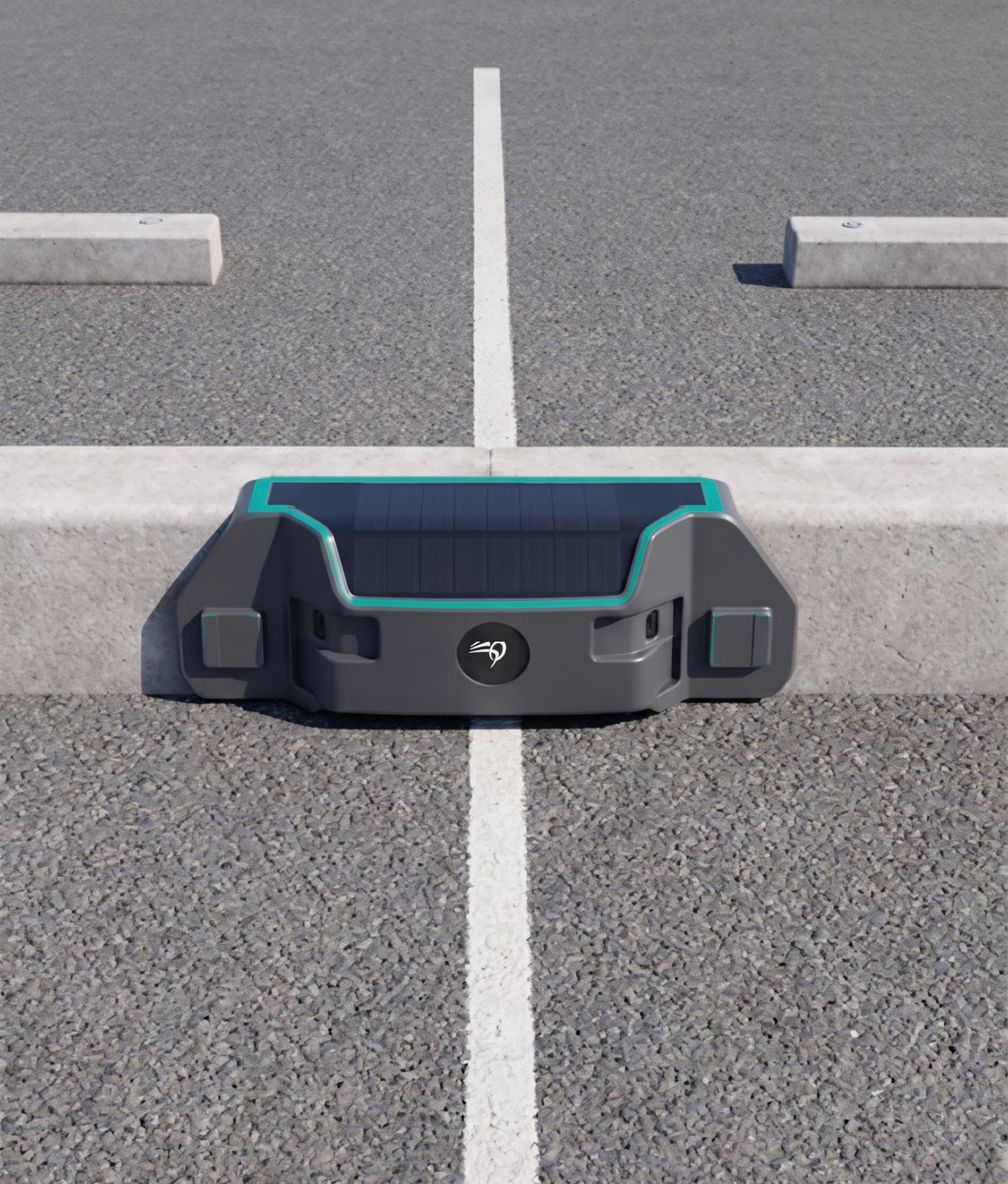
Per-bay occupancy and plate identity from solar, wireless kerbside sensing that needs no trenching, no mains power and no cabinet on the footway. Every bay becomes a live record instead of an estimate.
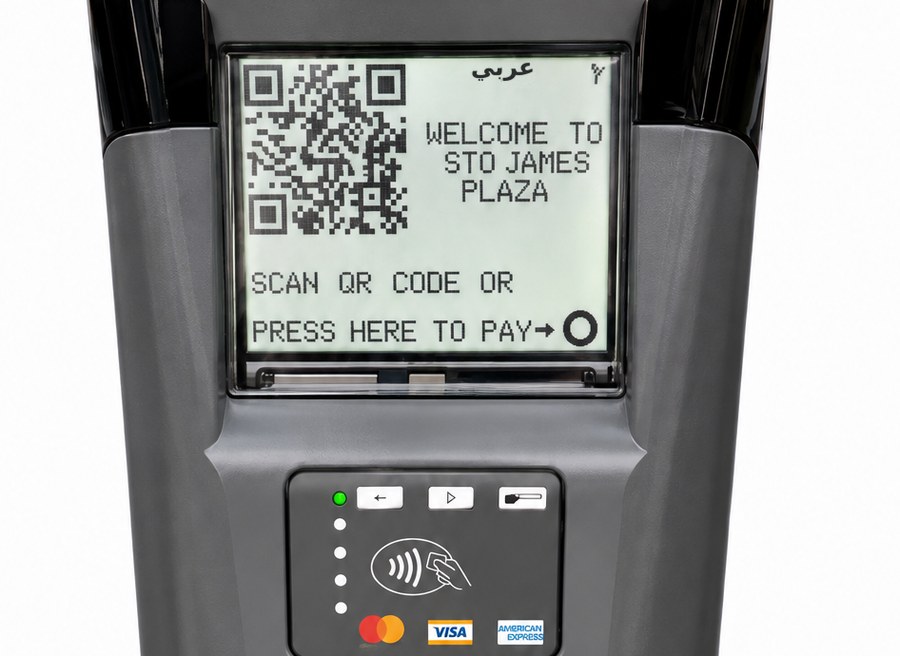
Pay-by-space and pay-by-plate through bollard pay stations, QR and UPI, contactless cards, mobile and web — with the payment matched automatically to the vehicle the sensor detected.
Automated detection, evidence packaging and citation issuance, plus handheld, mobile and fixed recognition for foot patrol and roving enforcement. A posted rule that is not enforced is not a rule.
Bilingual variable message signs and guidance displays that put live availability and tariff in front of a driver before they commit to the block — which is where search traffic is actually removed.
Tariff, maximum stay, bay class, permits and grace periods as configuration, not code — so a policy change is an afternoon's work rather than a change request to a supplier.
Daily settlement, revenue-share reconciliation and an audit trail built to stand behind a contested violation and a monthly report to a council.
Monetising the curb
Curb revenue is not a tariff decision. It is the product of how many bays a city actually controls, how accurately each stay is measured, how many of those stays are paid, and how credibly the rules behind them are enforced. Cities that raise the rate without fixing the other three usually collect less, not more, and lose the short-stay commerce on the block while they do it.
We have worked on that arithmetic since 2009 — on street, with municipal clients, in the conditions our markets actually have. It is why our answer to a city is never a single instrument.
The range
Because we engineer and supply the whole estate — the sensor, the camera, the pay station, the sign, the handheld and the platform they all report to — a city has one accountable party for the device, the model, the software and the street.
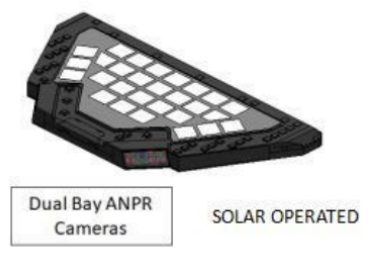
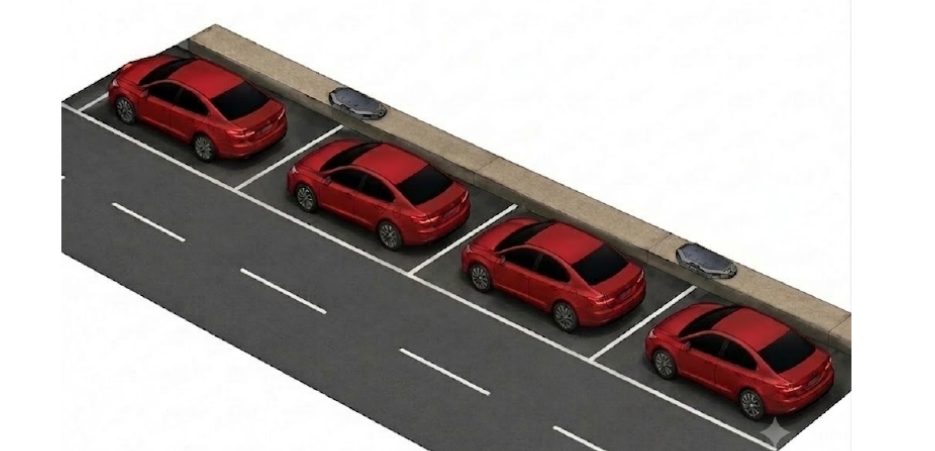
Solar, wireless kerbside occupancy sensing with dual-bay plate recognition, in top-mount and deep-curb forms for parallel, angled and straight-in bays.
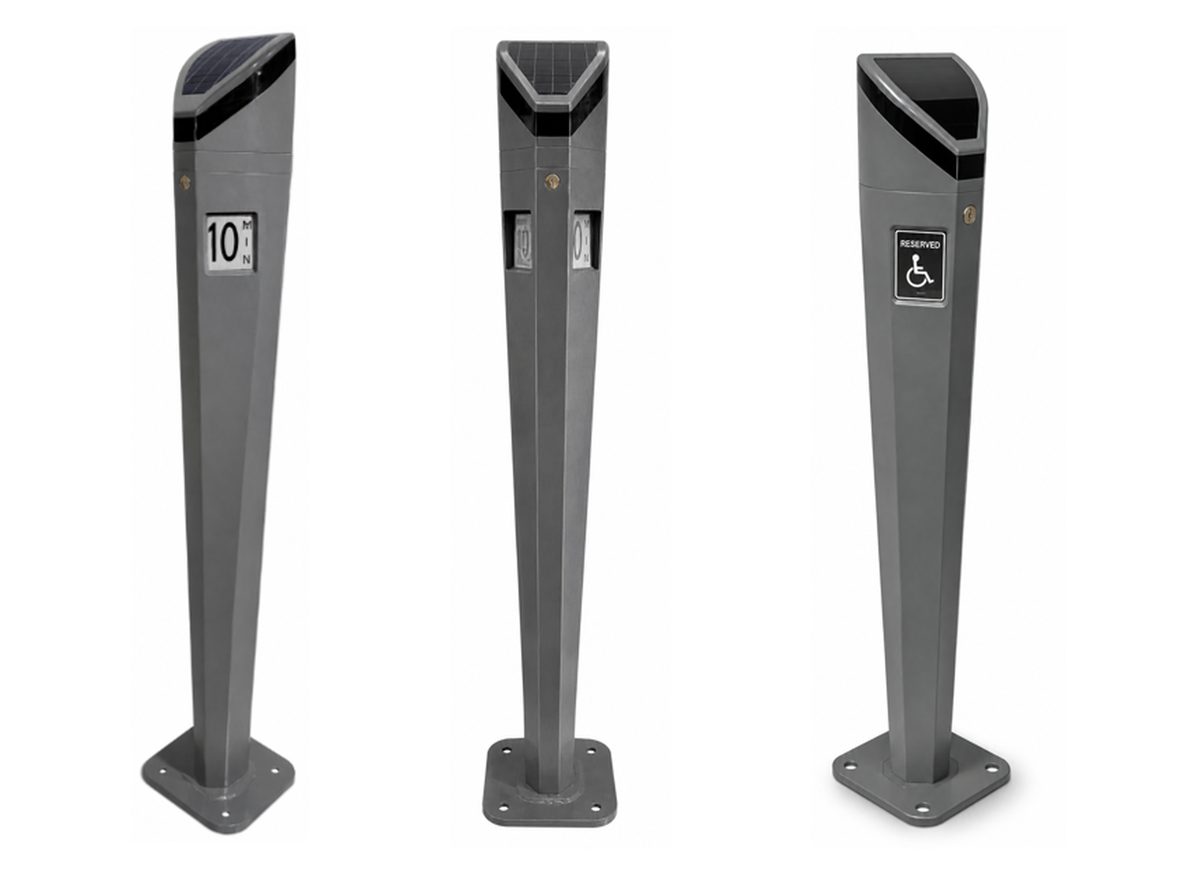
Modular solar bollard pay and parking station in three configurations — payment kiosk, automated sensor, or both in one housing.
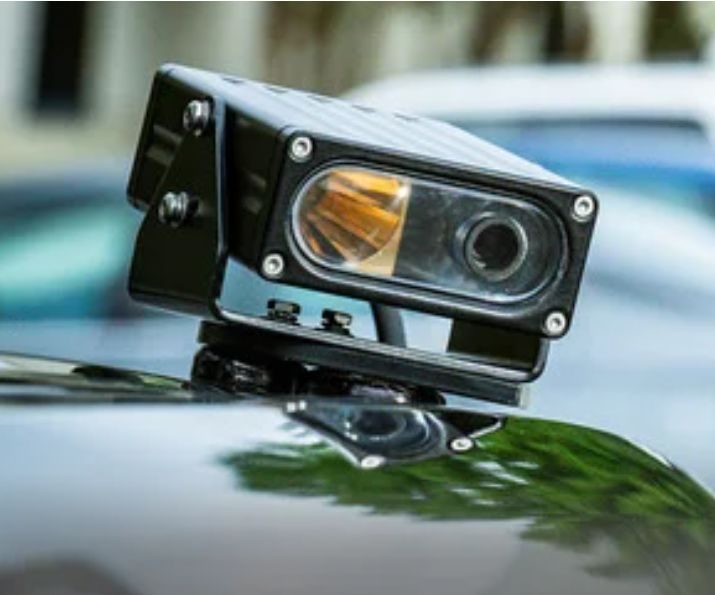
Pole-mount, vehicle-mount and handheld plate recognition for entries, roving patrol and foot patrol — all reporting into the same enforcement workflow.
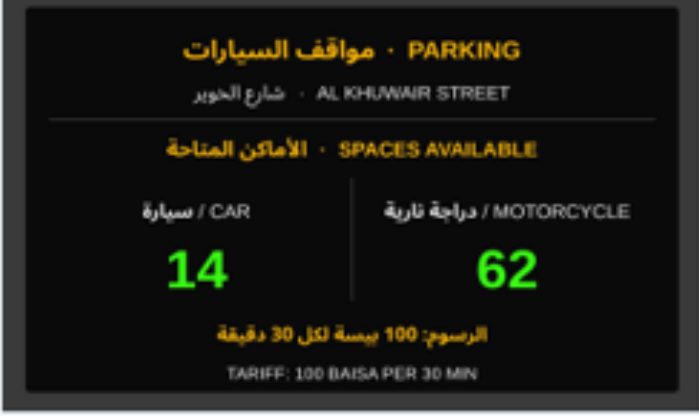
Sunlight-readable bilingual displays showing live counts by vehicle class, street name and tariff, driven live from the sensor estate.
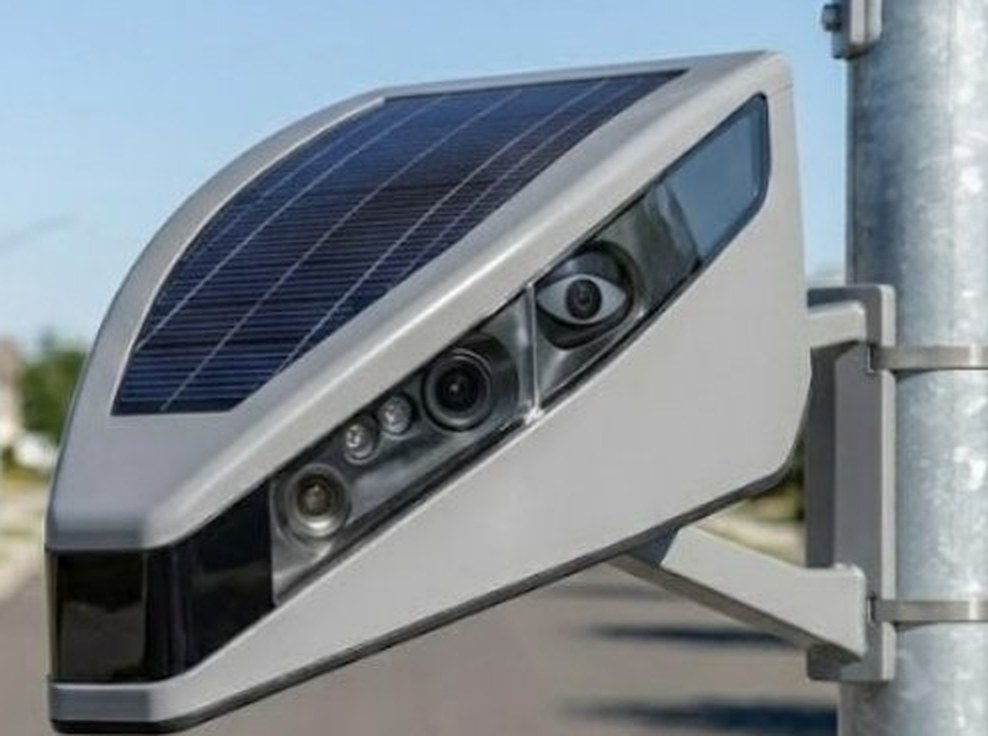
Pole-mounted solar gateway bridging the kerbside estate back to the platform, with optional overhead zone imagery for the control centre.
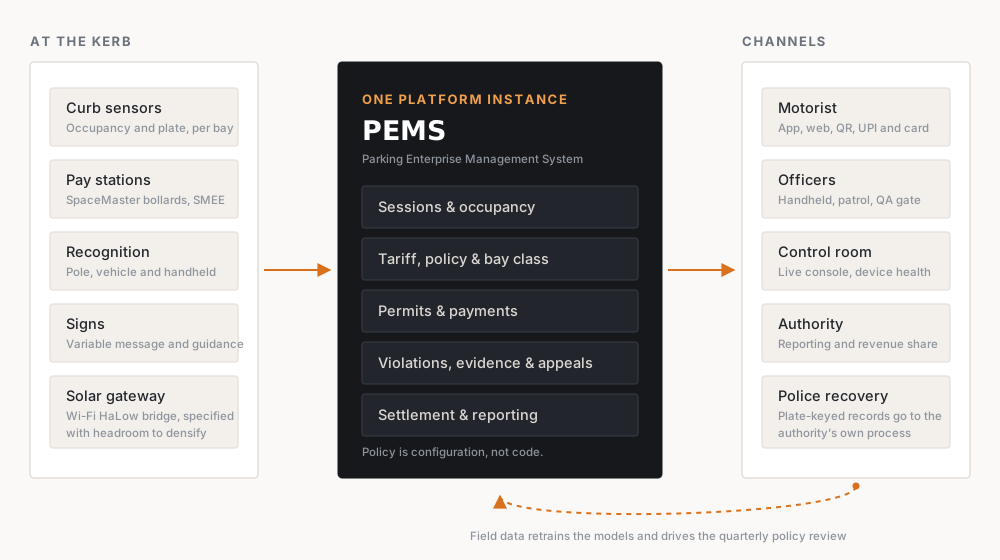
The Parking Enterprise Management System™ — permits, sessions, violations, appeals, settlement, reporting and the control console, on one instance.
Where we work
Our home market is the hardest one: mixed traffic, two-wheeler volumes that dominate the kerb, unmarked and informal parking, multiple languages on the same sign, and a payment culture that has moved further and faster than most of the world. A system that works in an Indian city needs very little adapting to work in a Gulf, South-East Asian or African one.
Municipal on-street and off-street parking, two-wheeler and car tariffs, Indic-script signage, UPI and QR payment, and the ULB approval and audit realities that decide whether a scheme survives its first year.
Arabic-first bilingual operation, Gulf plate formats and styles, summer field conditions, municipal and police recovery workflows, and in-country data residency.
Dense mixed-use kerbs, high off-street ratios, transit interchange management and scheme designs that have to sit alongside private operators.
Municipal parking programmes where the priority is a system that survives the environment, runs on solar, and produces revenue a council can actually account for.
Depth
EmQos builds and supplies under licence from CivicSmart, Inc., and does the engineering, production and support itself. Mechanical design, electronics, firmware, model training, production engineering and field support all sit in one organisation in Bengaluru.
Our licence is not a reseller appointment or a distribution agreement that can be withdrawn or re-priced part-way through a concession. It is durable, and it carries the right to modify the product — which is the distinction that matters to an authority weighing a 15- to 30-year commitment.
The base carries a long kerbside lineage: CivicSmart acquired Duncan Parking Technologies — among the oldest established names in municipal parking equipment in North America, and the origin of the mass-produced kerbside meter. Behind the current generation stand roughly nine decades of continuous kerbside practice.
What matters to a city is the consequence. When a client needs the product to do something it does not do today — a new bay class, a different grace rule, an extra language on a notice, a maximum-stay pattern nobody has asked for before — we change the product, here. There is no third party whose roadmap has to be persuaded.
Whether you are scoping a pilot, preparing a tender, or trying to work out what your city's kerbside is actually worth, we would rather start with your streets than with our brochure.