Products
Sensing, payment, recognition, guidance and the network that carries them — all engineered, built and supported by EmQos, and all reporting into one platform.
Every product below is one we engineer, change and stand behind. EmQos builds and supplies under licence from CivicSmart, Inc., and does the engineering, production and support itself. A city buying from us has one accountable party for the device, the recognition model, the software and the street, and no supplier chain standing between a requirement and the ability to meet it.
Kerbside sensing
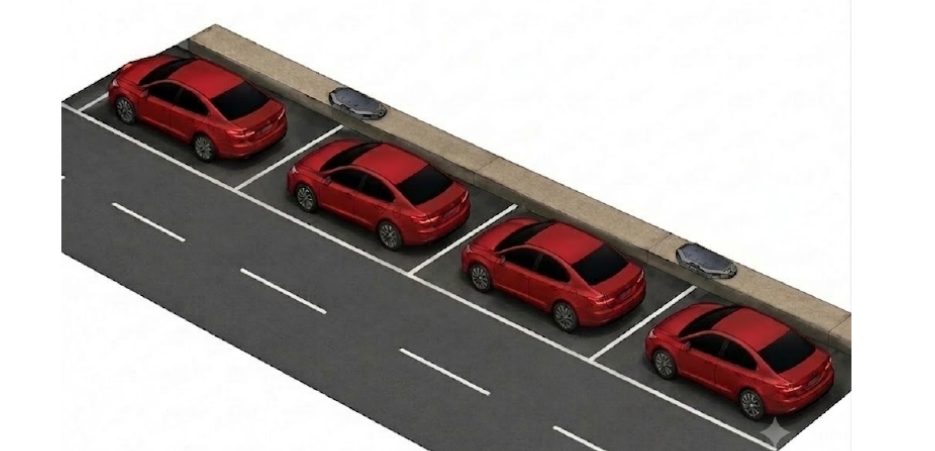
Solar-powered, wireless and sealed. No trenching, no mains power, no cabinet on the footway, and no in-ground coring that a city has to make good at the end of the term. Each unit serves two adjacent bays through dual IR-and-camera sensing, with ANPR built in, and syncs occupancy and identity to the platform in real time.
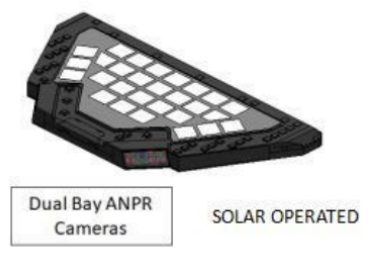
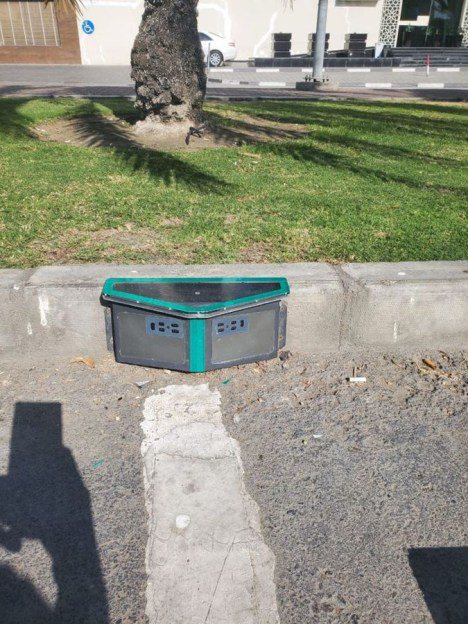
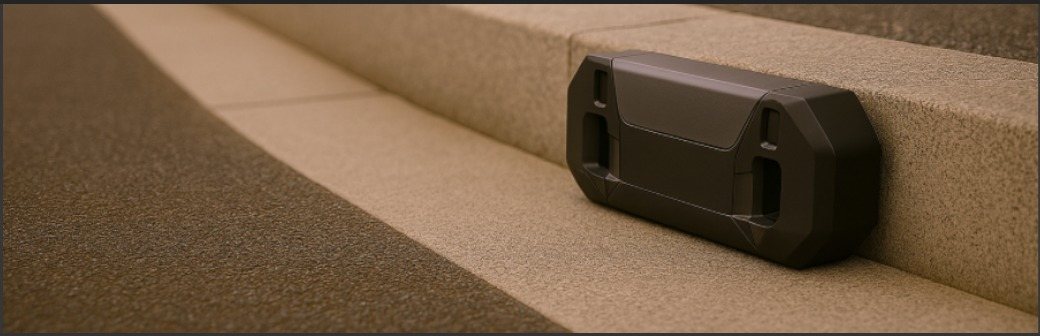
One sealed, solar-powered unit seated on the top surface of the kerb, serving two adjacent bays through dual-bay ANPR cameras. Supports parallel, angled and straight-in parking, and is the unit specified wherever the kerb face is low, broken or unavailable for mounting.
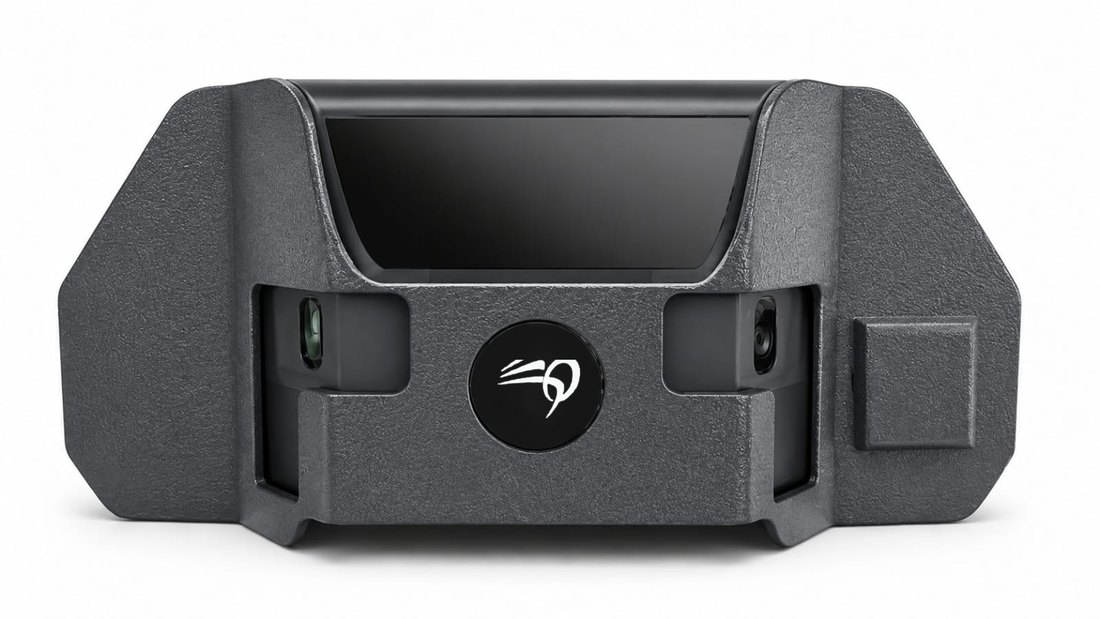
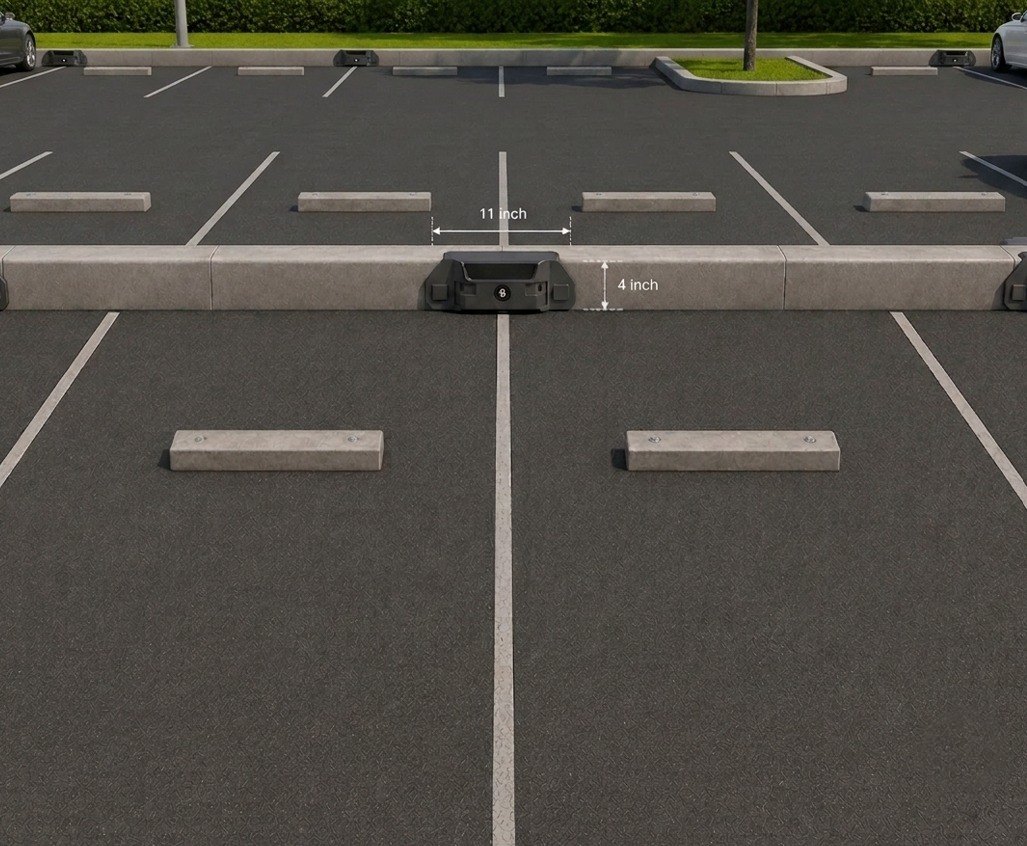
The same detection and recognition capability as CurbTop in a low-profile wedge housing that mounts flush into a deeper kerb reveal, with a reinforced electronic lock wedge for secure, authorised servicing. Purpose-built for straight-in configurations.
Payment & kerbside stations
A modular solar bollard platform for kerb, plaza and lot management, combining secure payment collection with automated parking detection in one field-proven housing. Because every site has different needs, it ships in three configurations, so a city pays only for the capability the location requires.
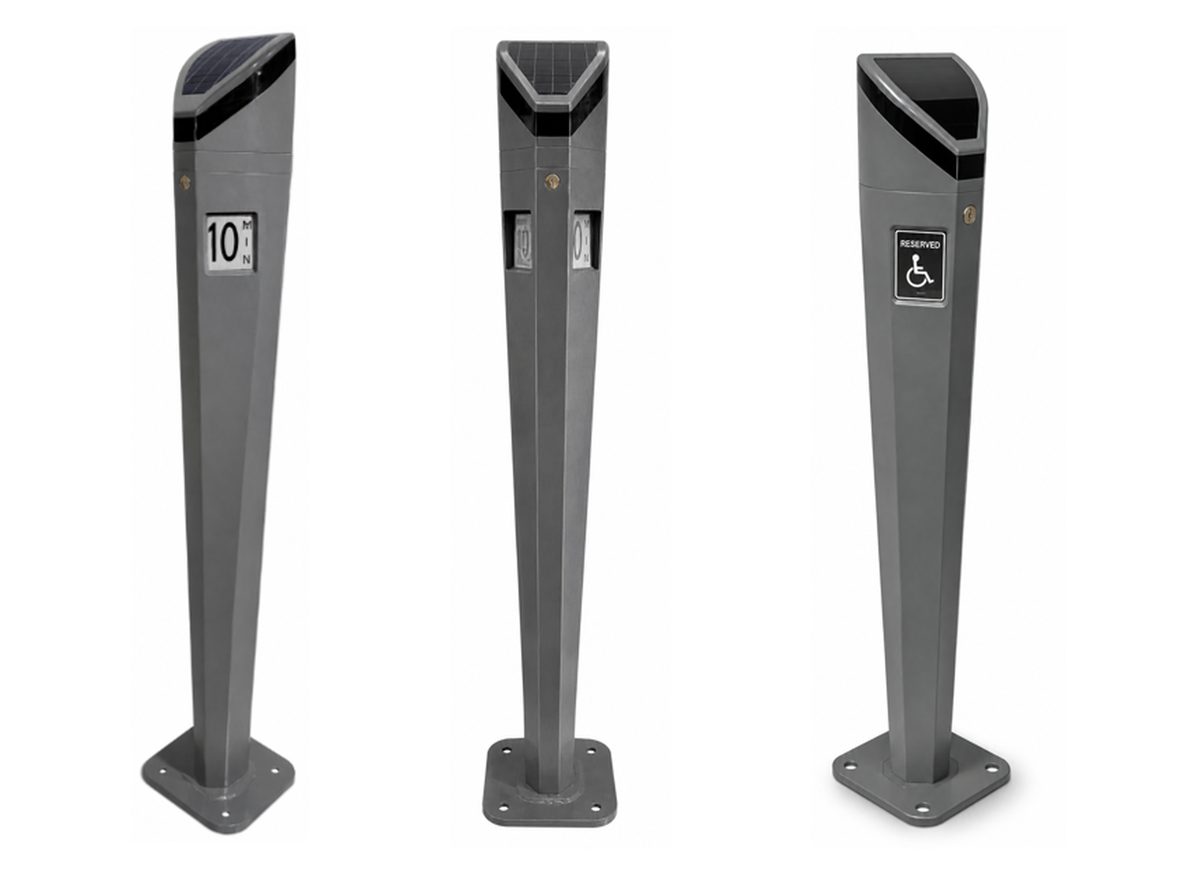
| Configuration | What it does |
|---|---|
| 1 — Payment kiosk | User-facing pay station with on-screen interface. Tap and swipe, QR scan-to-pay, chip and coin. Sunlight-readable display and prompts, electronic lock and secure cash vault. No automated space detection. |
| 2 — Automated sensor | Vehicle detection and occupancy monitoring only. ANPR-based vehicle identification, real-time occupancy sync to the platform. No payment hardware or display. |
| 3 — Payment + automated | Full capability — the payment kiosk combined with automated space detection and automatic plate-to-payment matching. |
A wireless, solar-powered bollard sensor for entry-exit monitoring at a single-lane entrance into a lot, garage or gated facility. Bi-directional detection distinguishes entries from exits and syncs live occupancy counts to the platform. No card reader, no screen, no payment hardware — a dedicated detection sensor only.
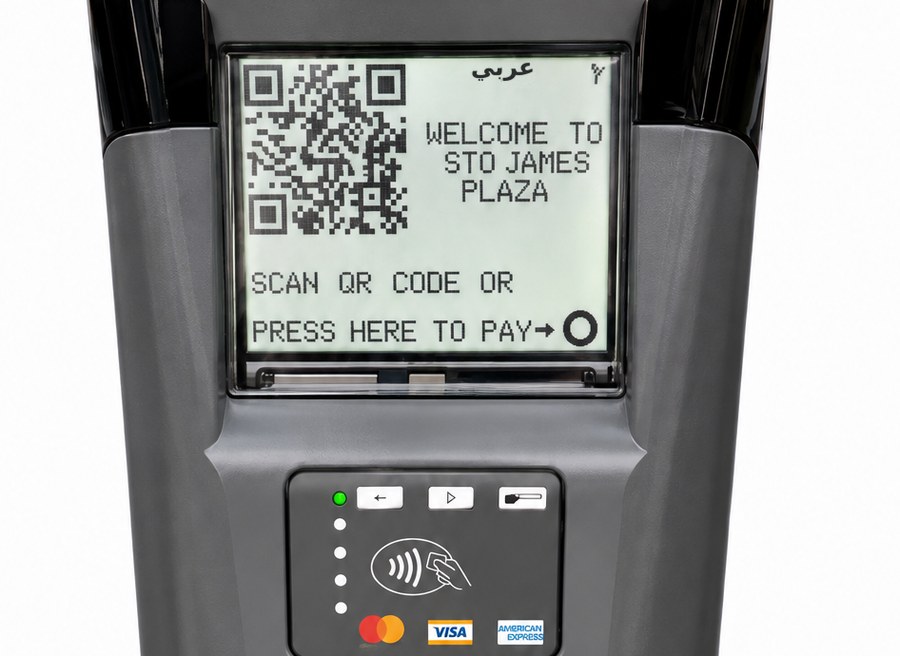
The surface a driver actually touches. QR scan-to-pay for mobile and UPI rails, contactless tap, chip and swipe, and a high-contrast sunlight-readable display carrying zone branding, tariff, and the rules that apply at that bay — in the languages the street needs.
Recognition & enforcement
Enforcement fails when each method keeps its own record. Ours all report into the same session, evidence and citation workflow, so two officers on foot can establish an overstay between them, and a roving patrol can pick up where a fixed camera left off.

Detection and identification at range and in motion for roadway, highway and gated-facility monitoring, on pole and mast-arm installations. Multi-lane coverage from a single mount. Integrates with gate and barrier control. Detection and identification only — it does not process payments.
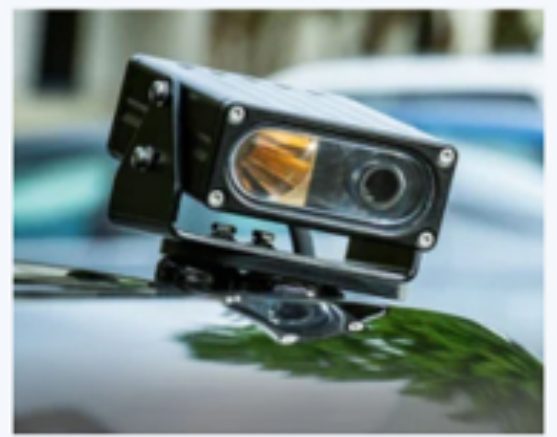
Turns any patrol vehicle into a roving enforcement platform. Roof or dash mounted, it reads plates in motion and checks each one live against payment, permit and violation status. GPS geo-tags every capture. Optional dual-camera configuration captures both sides of the street simultaneously.
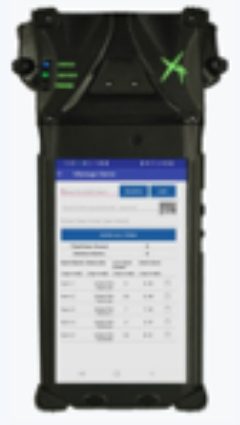
Point-and-scan plate capture with instant payment, permit and session lookup, on-device citation issuance with photo evidence attached to the record, manual entry for damaged plates, and an offline mode that syncs automatically once connectivity returns.
Guidance & motorist information
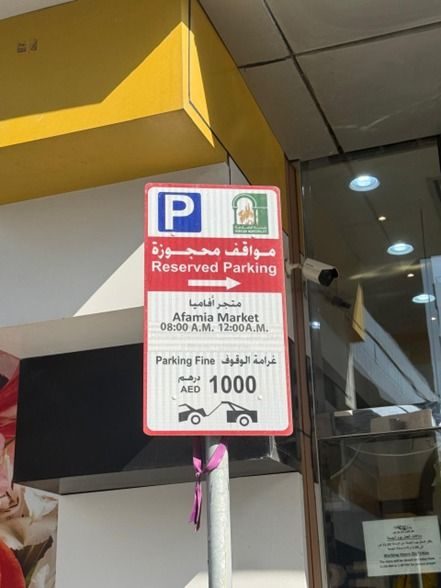
Signage and variable message displays are compliance instruments, not decoration. They are positioned from the survey — at the decision point on each approach, at a mounting height and offset that clears the recorded sightlines, in a board size chosen from the reading distance the geometry actually gives.
Connected to the sensor and bollard network through the platform, each sign continuously updates live space counts by vehicle class — car, two-wheeler and more — alongside street name and tariff, in a bilingual, sunlight-readable display.
Illustration of a variable message sign layout. Board content, language pairing, alternation rate and vehicle classes are configured per location rather than issued as a standard template.
Network, structured parking & specials
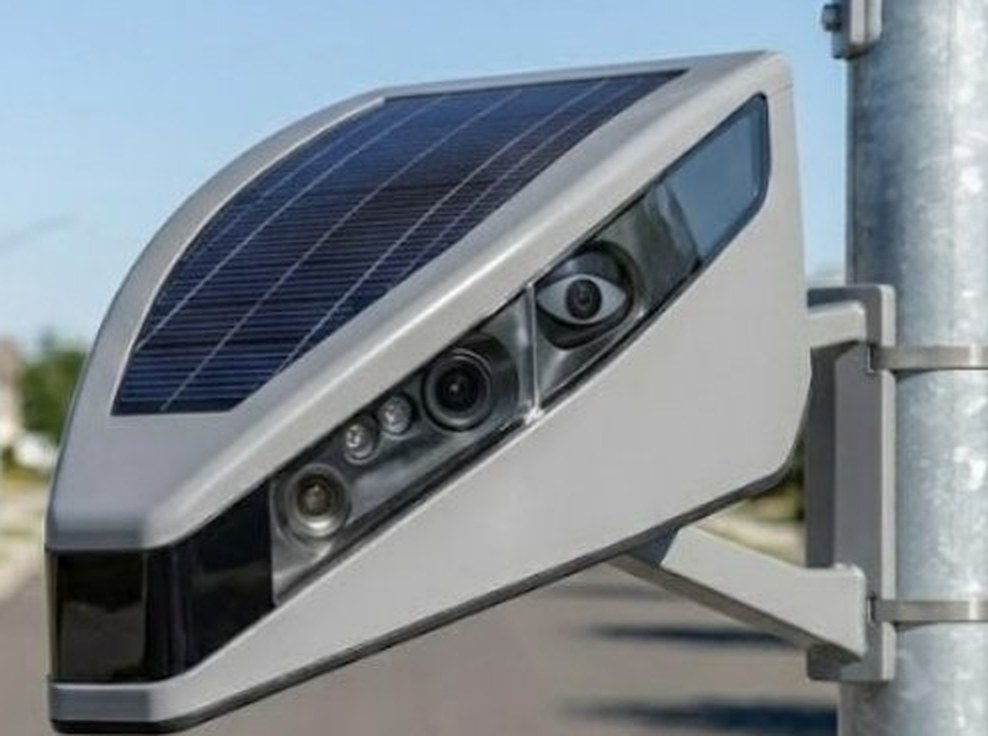
A pole-mounted solar gateway that relays data from nearby sensors, bollards and DCT units back to the platform, with dual cameras repositioned for a top-down overview of the zone below for control-centre monitoring. It does not read plates. Also available in a bridge-only configuration without the overhead cameras.
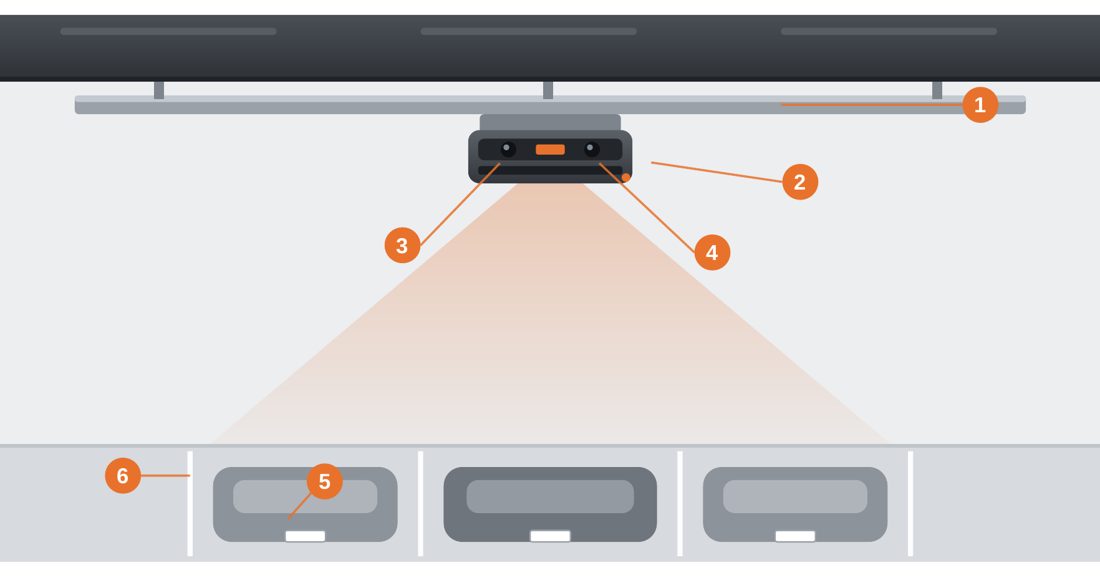
Overhead rail-mounted recognition for multi-storey and basement facilities, so structured capacity joins the same platform instance as the on-street estate rather than accumulating a second system to reconcile.
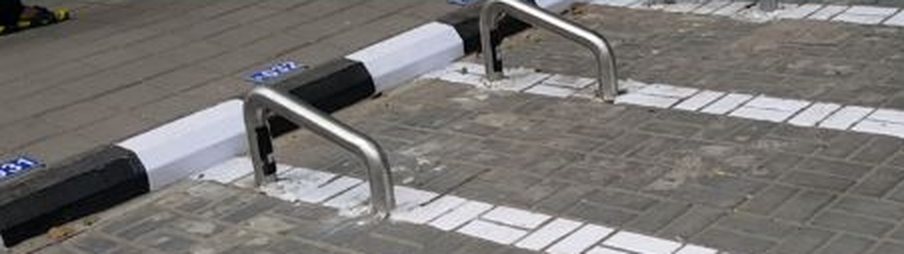
Two-wheelers are not a rounding error in our markets — on many Indian and South-East Asian kerbs they are the majority vehicle. They get their own detection, their own bay class, their own tariff line and their own count on the sign.
Datasheets
Detailed datasheets are available for every product on this page, including operating ranges, power budgets, mounting details, communications options and environmental ratings. Tell us the products and the deployment context and we will send the current revisions.
Send us the zone types, the bay geometry and the vehicle mix, and we will tell you what we would specify — and what we would leave out.